Trong hộp thoại in, chọn Lưu thành PDF ở mục Máy in.

Đề thi HK1 Tiếng Anh 8 - Đề số 3
Tiếng Anh
Exercise 1. Listen and choose the correct picture.
1. What’s the weather like this morning?
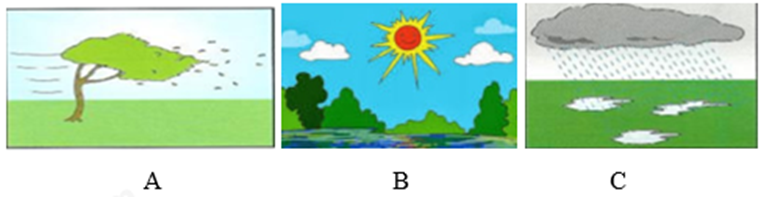
(Câu có phần nghe — mở đề trên web để nghe)
- A.
A
- B.
B
- C.
C
Exercise 1. Listen and choose the correct picture.
2. Where are Nick’s shoes now?
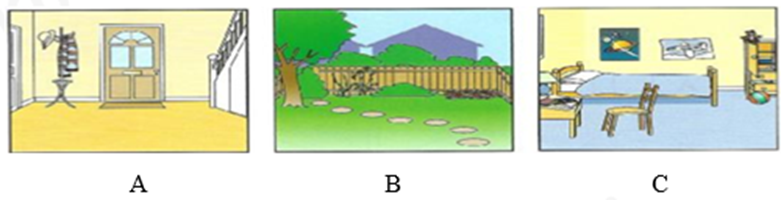
(Câu có phần nghe — mở đề trên web để nghe)
- A.
A
- B.
B
- C.
C
Exercise 1. Listen and choose the correct picture.
3. Who’s going to the shops with Daisy?
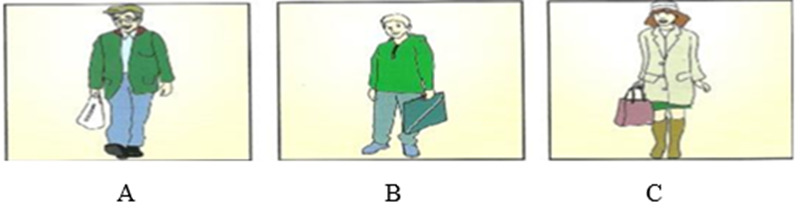
(Câu có phần nghe — mở đề trên web để nghe)
- A.
A
- B.
B
- C.
C
Exercise 1. Listen and choose the correct picture.
4. What’s inside the cage?
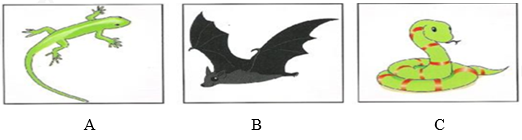
(Câu có phần nghe — mở đề trên web để nghe)
- A.
A
- B.
B
- C.
C
Exercise 1. Listen and choose the correct picture.
5. How old is Sally’s grandmother?
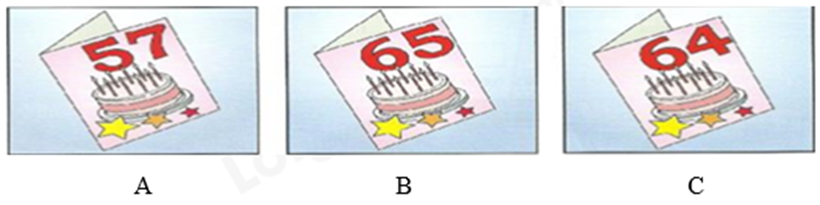
(Câu có phần nghe — mở đề trên web để nghe)
- A.
A
- B.
B
- C.
C
(Câu có phần nghe — mở đề trên web để nghe)
(Câu có phần nghe — mở đề trên web để nghe)
(Câu có phần nghe — mở đề trên web để nghe)
(Câu có phần nghe — mở đề trên web để nghe)
(Câu có phần nghe — mở đề trên web để nghe)
Exercise 3. Find the word which has a different sound in the part underlined.
- A.
wood
- B.
moon
- C.
cool
- D.
soon
Exercise 3. Find the word which has a different sound in the part underlined.
- A.
girl
- B.
game
- C.
village
- D.
garden
Exercise 4. Mark the letter A, B, C or D that differs from the other three in the position of primary stress.
- A.
understand
- B.
experience
- C.
interact
- D.
afternoon
Exercise 4. Mark the letter A, B, C or D that differs from the other three in the position of primary stress.
- A.
staple
- B.
impact
- C.
revive
- D.
tribal
Exercise 5. Choose the best answer to complete the sentences.
In his free time, he is _______ about messaging friends.
- A.
fond
- B.
keen
- C.
crazy
- D.
interested
Exercise 5. Choose the best answer to complete the sentences.
It’s ______ time, so the villagers are busy cutting and gathering their crops.
- A.
festival
- B.
harvest
- C.
growing
- D.
planting
Exercise 5. Choose the best answer to complete the sentences.
Going out for breakfast has become a common _________ in this city.
- A.
tradition
- B.
lifestyle
- C.
hobby
- D.
practice
Exercise 5. Choose the best answer to complete the sentences.
_____ clothes do minority people wear to Bac Ha Sunday Fair?
- A.
When
- B.
What
- C.
How
- D.
Where
Exercise 5. Choose the best answer to complete the sentences.
It takes me more than ________ hour to drive from my house to the city centre.
- A.
a
- B.
an
- C.
the
- D.
x
Exercise 5. Choose the best answer to complete the sentences.
If we eat more vegetables and fruit every day, we _______ healthy.
- A.
will be
- B.
are
- C.
be
- D.
will
Exercise 5. Choose the best answer to complete the sentences.
Lam: “Do you fancy going out for a drink?” - Phong: “____________”
- A.
I usually drink tea.
- B.
Sure, thanks
- C.
Why are you asking?
- D.
No, I prefer coffee.
Exercise 5. Choose the best answer to complete the sentences.
Unless you ______ all of my questions, I can’t do anything to help you.
- A.
answered
- B.
answer
- C.
would answer
- D.
are answering
Exercise 5. Choose the best answer to complete the sentences.
The tribal women know how to __________ these threads into nice hats.
- A.
weave
- B.
practice
- C.
celebrate
- D.
leisurely
Exercise 5. Choose the best answer to complete the sentences.
Mr Nam _________ to the countryside next month.
- A.
go
- B.
has gone
- C.
went
- D.
will go
Exercise 6. Choose the correct word for each of the gaps to complete the text.
Each country has its own special traditions and customs just as individuals have their own (1) ________ and daily routines. Many people find it difficult to get used to the customs of another country (2) ________ they go abroad. For example, in some Asian countries, people do not usually finish everything on their plates, because it is a (3) ________ that they have not had enough to eat. Visitors from the West find it difficult to (4) ________ used to this, because they usually eat everything up to show that they liked it. When an Asian host sees their (5) ________ plates, he usually assumes that they want more.
- A.
habits
- B.
fashions
- C.
styles
- D.
practices
Exercise 6. Choose the correct word for each of the gaps to complete the text.
Each country has its own special traditions and customs just as individuals have their own (1) ________ and daily routines. Many people find it difficult to get used to the customs of another country (2) ________ they go abroad. For example, in some Asian countries, people do not usually finish everything on their plates, because it is a (3) ________ that they have not had enough to eat. Visitors from the West find it difficult to (4) ________ used to this, because they usually eat everything up to show that they liked it. When an Asian host sees their (5) ________ plates, he usually assumes that they want more.
- A.
where
- B.
after
- C.
when
- D.
why
Exercise 6. Choose the correct word for each of the gaps to complete the text.
Each country has its own special traditions and customs just as individuals have their own (1) ________ and daily routines. Many people find it difficult to get used to the customs of another country (2) ________ they go abroad. For example, in some Asian countries, people do not usually finish everything on their plates, because it is a (3) ________ that they have not had enough to eat. Visitors from the West find it difficult to (4) ________ used to this, because they usually eat everything up to show that they liked it. When an Asian host sees their (5) ________ plates, he usually assumes that they want more.
- A.
symbol
- B.
icon
- C.
warning
- D.
sign
Exercise 6. Choose the correct word for each of the gaps to complete the text.
Each country has its own special traditions and customs just as individuals have their own (1) ________ and daily routines. Many people find it difficult to get used to the customs of another country (2) ________ they go abroad. For example, in some Asian countries, people do not usually finish everything on their plates, because it is a (3) ________ that they have not had enough to eat. Visitors from the West find it difficult to (4) ________ used to this, because they usually eat everything up to show that they liked it. When an Asian host sees their (5) ________ plates, he usually assumes that they want more.
- A.
make
- B.
get
- C.
maintain
- D.
look
Exercise 6. Choose the correct word for each of the gaps to complete the text.
Each country has its own special traditions and customs just as individuals have their own (1) ________ and daily routines. Many people find it difficult to get used to the customs of another country (2) ________ they go abroad. For example, in some Asian countries, people do not usually finish everything on their plates, because it is a (3) ________ that they have not had enough to eat. Visitors from the West find it difficult to (4) ________ used to this, because they usually eat everything up to show that they liked it. When an Asian host sees their (5) ________ plates, he usually assumes that they want more.
- A.
clear
- B.
empty
- C.
vacant
- D.
blank
Exercise 7. Read the text carefully and choose the best answer.
In Viet Nam, a market is a trading place, but many markets are not only about buying and selling things. They reflect the life of the community. A traditional market is a social gathering point for people of all ages and it is a new and exciting experience for children, a trading place for local craftsmen, and a chance for young people to meet. People go to the traditional market not only to buy and sell things but also to eat, drink, play games, and socialize. For example, if you go to Sa Pa Market, which is the highlands in the north of Viet Nam, you can see people wearing their nicest clothes and spending all day long at the market. They buy things, play the flute, dance, and sing. This is also a time to meet, make friends or look for lovers. That is why this kind of gathering is also called "Love Market”. Some other countryside markets in the Mekong Delta are held on boats. Most of the goods are sold at a floating market. The most exciting time is in the early morning when boats arrive loaded up with agricultural products.
Tạm dịch:
Ở Việt Nam, chợ là nơi buôn bán nhưng nhiều chợ không chỉ là nơi mua bán đồ vật. Chúng phản ánh cuộc sống của cộng đồng. Chợ truyền thống là điểm tụ tập xã hội của mọi người ở mọi lứa tuổi và là một trải nghiệm mới mẻ, thú vị cho trẻ em, là nơi buôn bán của các thợ thủ công địa phương và là cơ hội để các bạn trẻ gặp gỡ. Người ta đến chợ truyền thống không chỉ để mua bán đồ vật mà còn để ăn uống, chơi trò chơi và giao lưu. Ví dụ, nếu bạn đến chợ Sa Pa, vùng núi phía bắc Việt Nam, bạn có thể thấy mọi người mặc những bộ quần áo đẹp nhất và dành cả ngày ở chợ. Họ mua đồ, thổi sáo, nhảy múa và ca hát. Đây cũng là thời gian để gặp gỡ, kết bạn hoặc tìm kiếm người yêu. Chính vì thế mà loại hình tụ tập này còn có tên gọi là “Chợ tình”. Một số phiên chợ quê khác ở đồng bằng sông Cửu Long được tổ chức trên thuyền. Hầu hết hàng hóa được bán ở chợ nổi. Khoảng thời gian thú vị nhất là vào buổi sáng sớm khi những chiếc thuyền chất đầy nông sản cập bến.
In Viet Nam, all markets are ______________.
- A.
only trading places
- B.
only about buying things
- C.
only about selling things
- D.
not only about buying and selling things
Exercise 7. Read the text carefully and choose the best answer.
In Viet Nam, a market is a trading place, but many markets are not only about buying and selling things. They reflect the life of the community. A traditional market is a social gathering point for people of all ages and it is a new and exciting experience for children, a trading place for local craftsmen, and a chance for young people to meet. People go to the traditional market not only to buy and sell things but also to eat, drink, play games, and socialize. For example, if you go to Sa Pa Market, which is the highlands in the north of Viet Nam, you can see people wearing their nicest clothes and spending all day long at the market. They buy things, play the flute, dance, and sing. This is also a time to meet, make friends or look for lovers. That is why this kind of gathering is also called "Love Market”. Some other countryside markets in the Mekong Delta are held on boats. Most of the goods are sold at a floating market. The most exciting time is in the early morning when boats arrive loaded up with agricultural products.
Tạm dịch:
Ở Việt Nam, chợ là nơi buôn bán nhưng nhiều chợ không chỉ là nơi mua bán đồ vật. Chúng phản ánh cuộc sống của cộng đồng. Chợ truyền thống là điểm tụ tập xã hội của mọi người ở mọi lứa tuổi và là một trải nghiệm mới mẻ, thú vị cho trẻ em, là nơi buôn bán của các thợ thủ công địa phương và là cơ hội để các bạn trẻ gặp gỡ. Người ta đến chợ truyền thống không chỉ để mua bán đồ vật mà còn để ăn uống, chơi trò chơi và giao lưu. Ví dụ, nếu bạn đến chợ Sa Pa, vùng núi phía bắc Việt Nam, bạn có thể thấy mọi người mặc những bộ quần áo đẹp nhất và dành cả ngày ở chợ. Họ mua đồ, thổi sáo, nhảy múa và ca hát. Đây cũng là thời gian để gặp gỡ, kết bạn hoặc tìm kiếm người yêu. Chính vì thế mà loại hình tụ tập này còn có tên gọi là “Chợ tình”. Một số phiên chợ quê khác ở đồng bằng sông Cửu Long được tổ chức trên thuyền. Hầu hết hàng hóa được bán ở chợ nổi. Khoảng thời gian thú vị nhất là vào buổi sáng sớm khi những chiếc thuyền chất đầy nông sản cập bến.
A traditional market is a social gathering point for ______________.
- A.
young people
- B.
people of all ages
- C.
local craftsmen
- D.
children
Exercise 7. Read the text carefully and choose the best answer.
In Viet Nam, a market is a trading place, but many markets are not only about buying and selling things. They reflect the life of the community. A traditional market is a social gathering point for people of all ages and it is a new and exciting experience for children, a trading place for local craftsmen, and a chance for young people to meet. People go to the traditional market not only to buy and sell things but also to eat, drink, play games, and socialize. For example, if you go to Sa Pa Market, which is the highlands in the north of Viet Nam, you can see people wearing their nicest clothes and spending all day long at the market. They buy things, play the flute, dance, and sing. This is also a time to meet, make friends or look for lovers. That is why this kind of gathering is also called "Love Market”. Some other countryside markets in the Mekong Delta are held on boats. Most of the goods are sold at a floating market. The most exciting time is in the early morning when boats arrive loaded up with agricultural products.
Tạm dịch:
Ở Việt Nam, chợ là nơi buôn bán nhưng nhiều chợ không chỉ là nơi mua bán đồ vật. Chúng phản ánh cuộc sống của cộng đồng. Chợ truyền thống là điểm tụ tập xã hội của mọi người ở mọi lứa tuổi và là một trải nghiệm mới mẻ, thú vị cho trẻ em, là nơi buôn bán của các thợ thủ công địa phương và là cơ hội để các bạn trẻ gặp gỡ. Người ta đến chợ truyền thống không chỉ để mua bán đồ vật mà còn để ăn uống, chơi trò chơi và giao lưu. Ví dụ, nếu bạn đến chợ Sa Pa, vùng núi phía bắc Việt Nam, bạn có thể thấy mọi người mặc những bộ quần áo đẹp nhất và dành cả ngày ở chợ. Họ mua đồ, thổi sáo, nhảy múa và ca hát. Đây cũng là thời gian để gặp gỡ, kết bạn hoặc tìm kiếm người yêu. Chính vì thế mà loại hình tụ tập này còn có tên gọi là “Chợ tình”. Một số phiên chợ quê khác ở đồng bằng sông Cửu Long được tổ chức trên thuyền. Hầu hết hàng hóa được bán ở chợ nổi. Khoảng thời gian thú vị nhất là vào buổi sáng sớm khi những chiếc thuyền chất đầy nông sản cập bến.
What can people do at the traditional market?
- A.
Sell and buy things only.
- B.
Buy and sell things, eat, drink and play games.
- C.
Buy things and eat.
- D.
Buy and sell things, eat, drink, play games and socialize.
Exercise 7. Read the text carefully and choose the best answer.
In Viet Nam, a market is a trading place, but many markets are not only about buying and selling things. They reflect the life of the community. A traditional market is a social gathering point for people of all ages and it is a new and exciting experience for children, a trading place for local craftsmen, and a chance for young people to meet. People go to the traditional market not only to buy and sell things but also to eat, drink, play games, and socialize. For example, if you go to Sa Pa Market, which is the highlands in the north of Viet Nam, you can see people wearing their nicest clothes and spending all day long at the market. They buy things, play the flute, dance, and sing. This is also a time to meet, make friends or look for lovers. That is why this kind of gathering is also called "Love Market”. Some other countryside markets in the Mekong Delta are held on boats. Most of the goods are sold at a floating market. The most exciting time is in the early morning when boats arrive loaded up with agricultural products.
Tạm dịch:
Ở Việt Nam, chợ là nơi buôn bán nhưng nhiều chợ không chỉ là nơi mua bán đồ vật. Chúng phản ánh cuộc sống của cộng đồng. Chợ truyền thống là điểm tụ tập xã hội của mọi người ở mọi lứa tuổi và là một trải nghiệm mới mẻ, thú vị cho trẻ em, là nơi buôn bán của các thợ thủ công địa phương và là cơ hội để các bạn trẻ gặp gỡ. Người ta đến chợ truyền thống không chỉ để mua bán đồ vật mà còn để ăn uống, chơi trò chơi và giao lưu. Ví dụ, nếu bạn đến chợ Sa Pa, vùng núi phía bắc Việt Nam, bạn có thể thấy mọi người mặc những bộ quần áo đẹp nhất và dành cả ngày ở chợ. Họ mua đồ, thổi sáo, nhảy múa và ca hát. Đây cũng là thời gian để gặp gỡ, kết bạn hoặc tìm kiếm người yêu. Chính vì thế mà loại hình tụ tập này còn có tên gọi là “Chợ tình”. Một số phiên chợ quê khác ở đồng bằng sông Cửu Long được tổ chức trên thuyền. Hầu hết hàng hóa được bán ở chợ nổi. Khoảng thời gian thú vị nhất là vào buổi sáng sớm khi những chiếc thuyền chất đầy nông sản cập bến.
What do the ethnic people who go to Sa Pa Market do?
- A.
They wear their nicest clothes, buy things, play the flute, dance and sing.
- B.
They ride on a horse and sing.
- C.
They drink a lot of wine and dance.
- D.
They buy the nicest clothes at the market and look for lovers.
Exercise 7. Read the text carefully and choose the best answer.
In Viet Nam, a market is a trading place, but many markets are not only about buying and selling things. They reflect the life of the community. A traditional market is a social gathering point for people of all ages and it is a new and exciting experience for children, a trading place for local craftsmen, and a chance for young people to meet. People go to the traditional market not only to buy and sell things but also to eat, drink, play games, and socialize. For example, if you go to Sa Pa Market, which is the highlands in the north of Viet Nam, you can see people wearing their nicest clothes and spending all day long at the market. They buy things, play the flute, dance, and sing. This is also a time to meet, make friends or look for lovers. That is why this kind of gathering is also called "Love Market”. Some other countryside markets in the Mekong Delta are held on boats. Most of the goods are sold at a floating market. The most exciting time is in the early morning when boats arrive loaded up with agricultural products.
Tạm dịch:
Ở Việt Nam, chợ là nơi buôn bán nhưng nhiều chợ không chỉ là nơi mua bán đồ vật. Chúng phản ánh cuộc sống của cộng đồng. Chợ truyền thống là điểm tụ tập xã hội của mọi người ở mọi lứa tuổi và là một trải nghiệm mới mẻ, thú vị cho trẻ em, là nơi buôn bán của các thợ thủ công địa phương và là cơ hội để các bạn trẻ gặp gỡ. Người ta đến chợ truyền thống không chỉ để mua bán đồ vật mà còn để ăn uống, chơi trò chơi và giao lưu. Ví dụ, nếu bạn đến chợ Sa Pa, vùng núi phía bắc Việt Nam, bạn có thể thấy mọi người mặc những bộ quần áo đẹp nhất và dành cả ngày ở chợ. Họ mua đồ, thổi sáo, nhảy múa và ca hát. Đây cũng là thời gian để gặp gỡ, kết bạn hoặc tìm kiếm người yêu. Chính vì thế mà loại hình tụ tập này còn có tên gọi là “Chợ tình”. Một số phiên chợ quê khác ở đồng bằng sông Cửu Long được tổ chức trên thuyền. Hầu hết hàng hóa được bán ở chợ nổi. Khoảng thời gian thú vị nhất là vào buổi sáng sớm khi những chiếc thuyền chất đầy nông sản cập bến.
Some of the markets in the Mekong Delta are held ______ are called floating markets.
- A.
along the roads
- B.
on the paddy fields
- C.
on boats
- D.
in the morning
Xem đáp án và làm bài trực tuyến tại grade.vn/de-thi/de-thi-hk1-tieng-anh-8-de-so-3-6844